Pathum Thani, Thailand—BRRC AIT welcomed 28 undergraduate students from Zhejiang University, China, to the EcoQuest Academy: From Environmental Challenges to Research Solutions, an international research capacity development program held from 14 to 23 July 2026. Designed to strengthen research capacity in environmental and natural resource management, the academy combines academic learning, field-based experiences, and international collaboration to prepare future researchers for increasingly complex sustainability challenges.
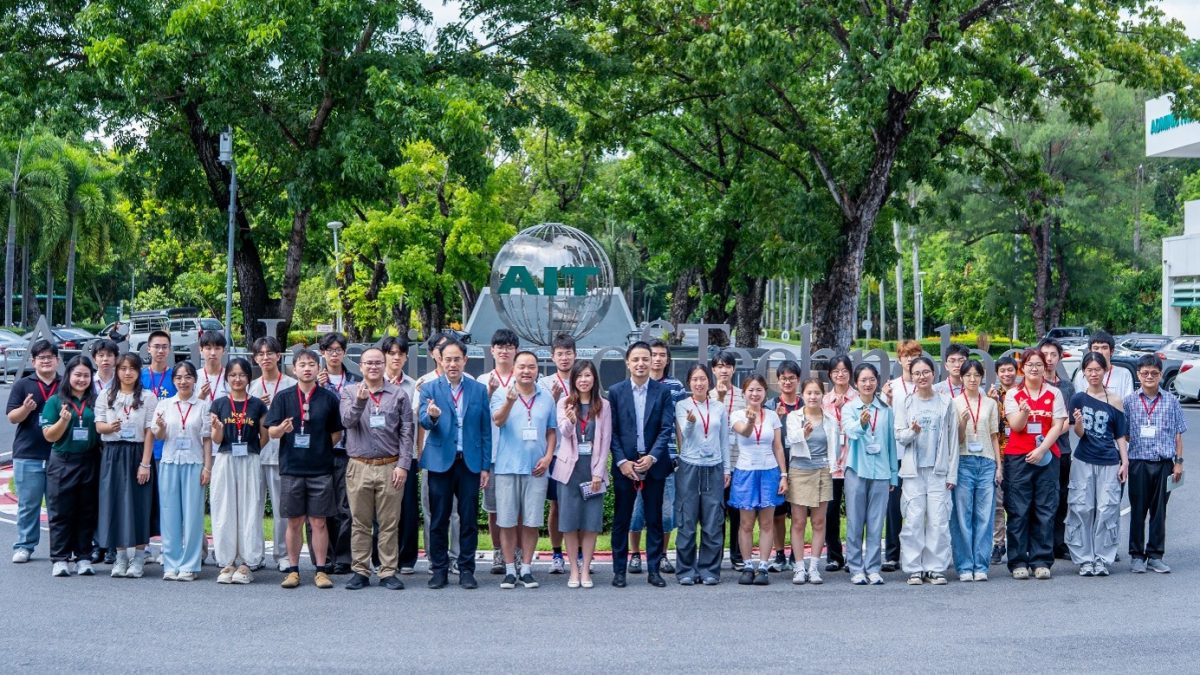
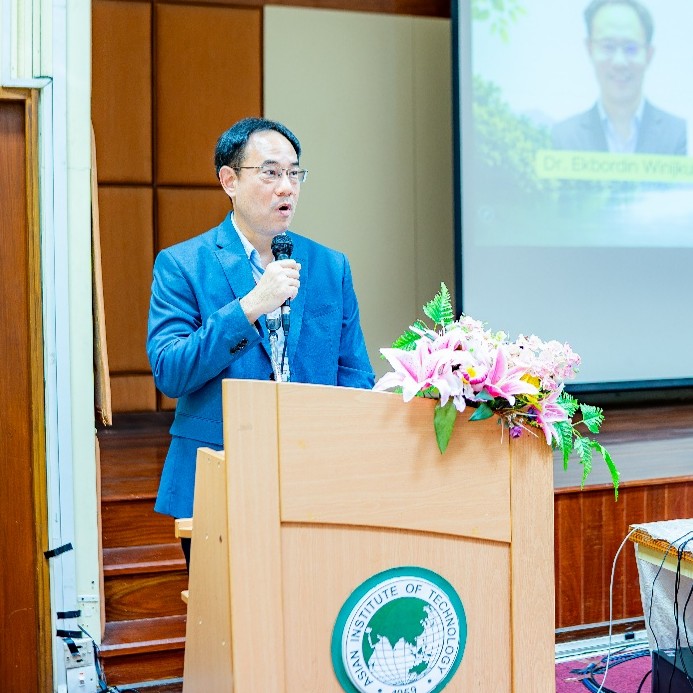
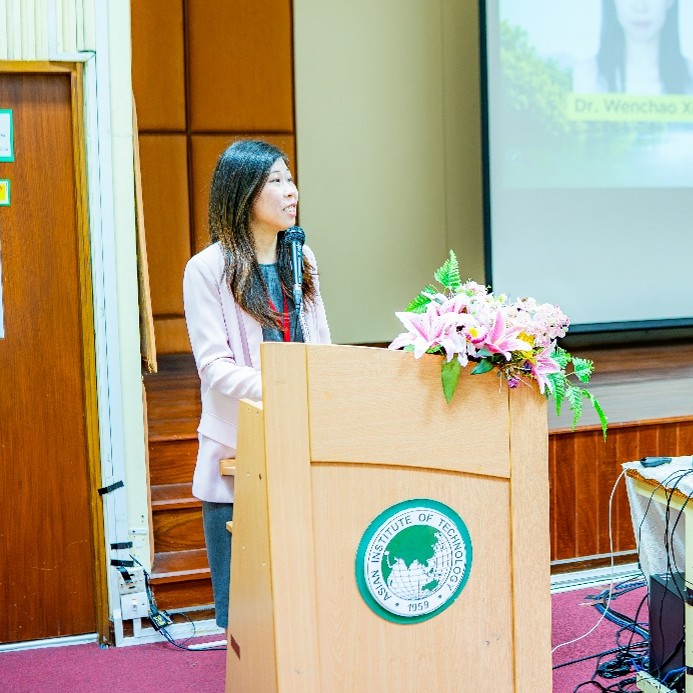
Opening the program, Dr. Ekbordin Winijkul, Dean of the Faculty of Civil and Environmental Engineering at AIT, emphasized that today’s environmental challenges are too complex and interconnected to be addressed by a single institution or discipline alone, underscoring the importance of collaboration across academia, government, industry, and communities. Complementing this message, Dr. Wenchao Xue encouraged participants to approach research with curiosity, beginning by asking why environmental problems occur before seeking solutions, while emphasizing that scientific integrity, responsibility, and ethical decision making are fundamental qualities of every researcher.
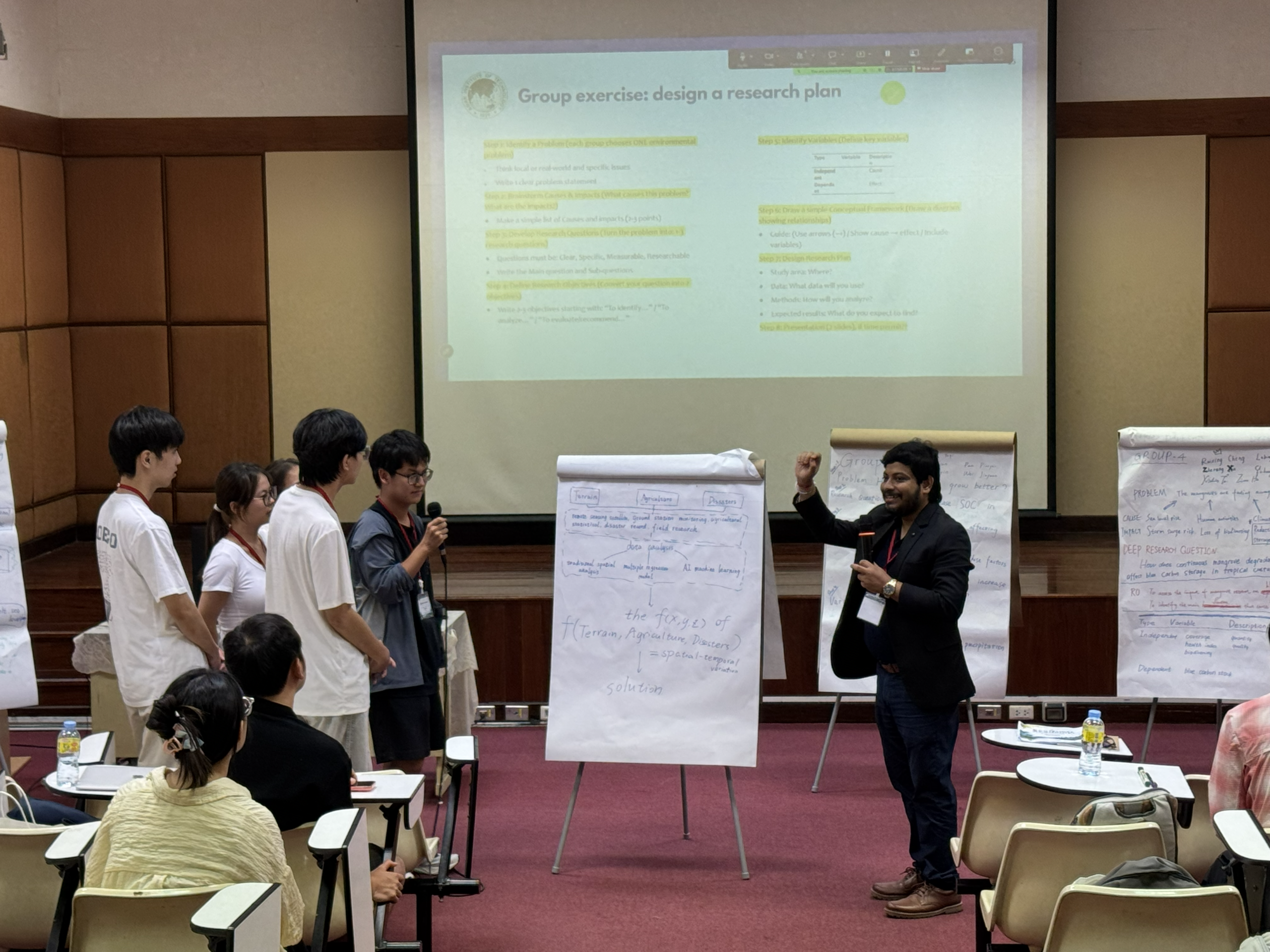
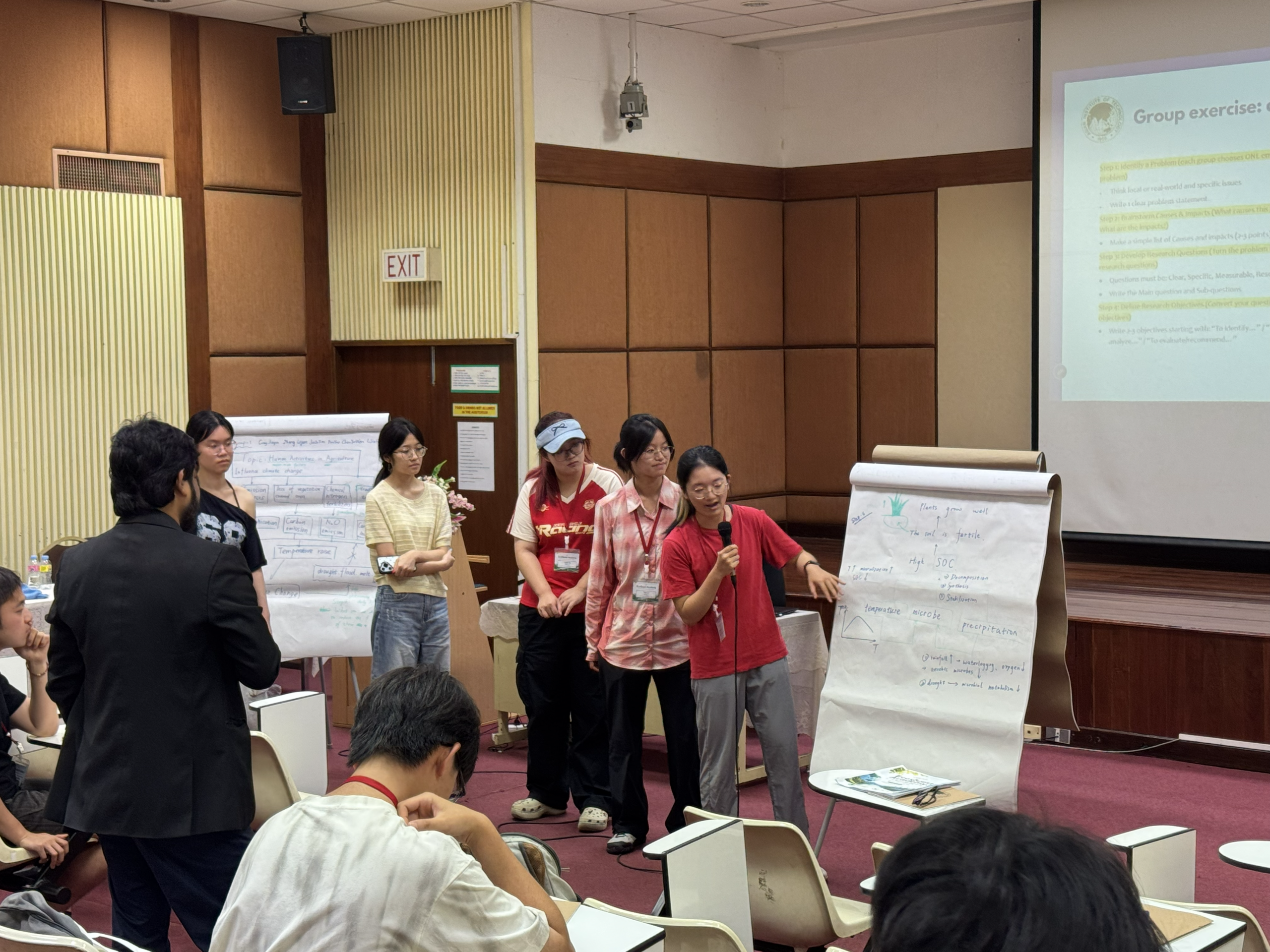
Throughout the ten day program, participants worked closely with AIT faculty members and invited experts to develop valid and meaningful environmental research questions. Under the guidance of Dr. Malay Kumar Pramanik, they explored how to identify pressing environmental issues, formulate research questions, define research objectives, and design feasible research plans, laying a strong foundation for scientific inquiry.
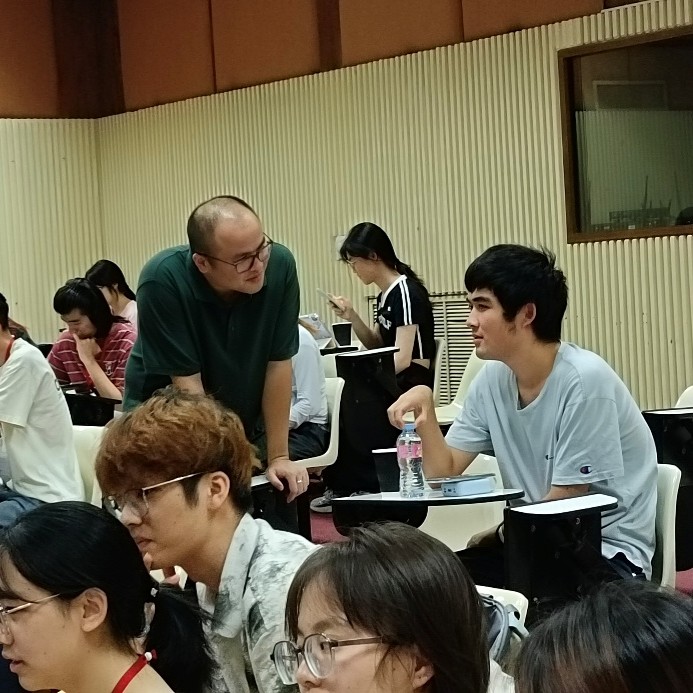
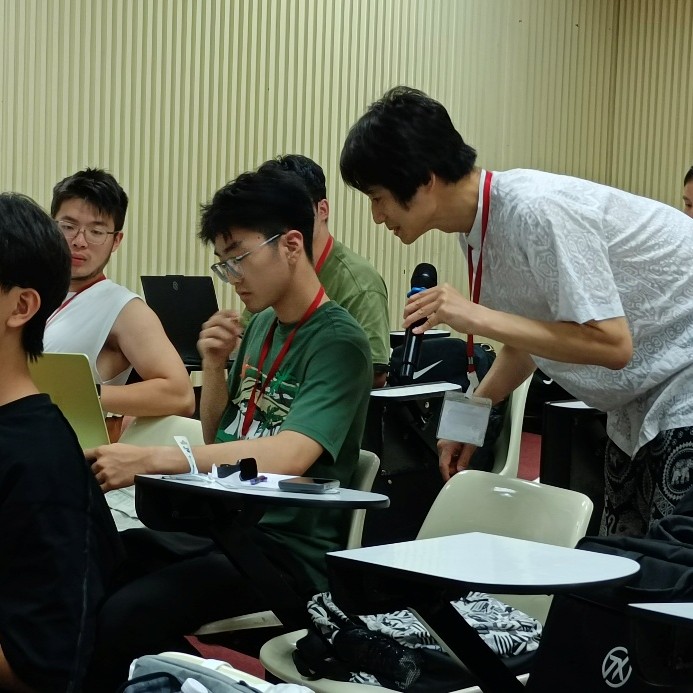
Participants also received practical training on the responsible use of artificial intelligence in research from Dr. Sein Minn, who introduced AI as a tool to enhance, rather than replace, critical thinking and scientific integrity. Complementing this, Dr. Takuji W. Tsusaka provided hands on sessions on data analysis using R, equipping students with practical analytical skills while emphasizing the importance of selecting appropriate methods and interpreting results responsibly.
Beyond classroom sessions, participants visited environmental learning centers in Phetchaburi Province, the United Nations Economic and Social Commission for Asia and the Pacific (UNESCAP), Thailand’s Department of Climate Change and Environment, and the International Union for Conservation of Nature (IUCN). These experiences exposed students to real world environmental management, policy development, and international cooperation.
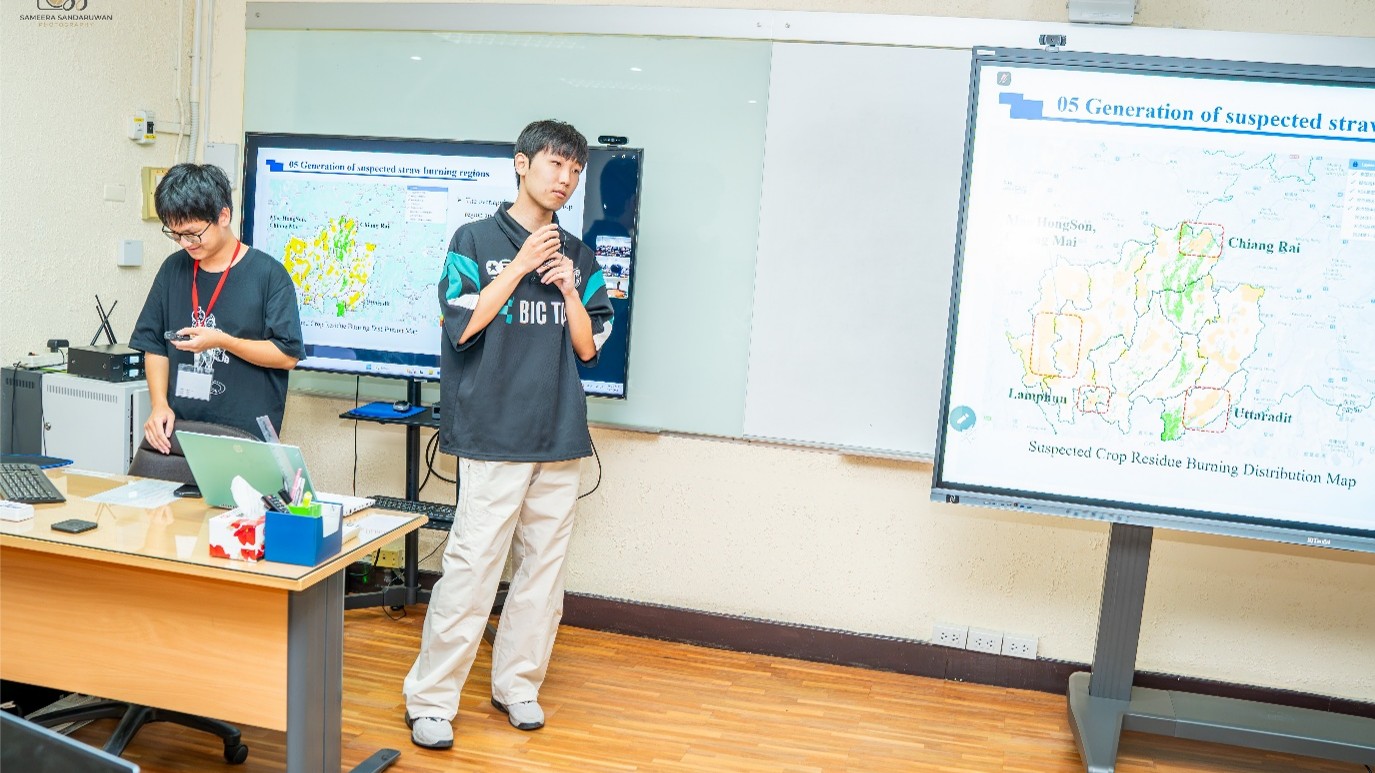
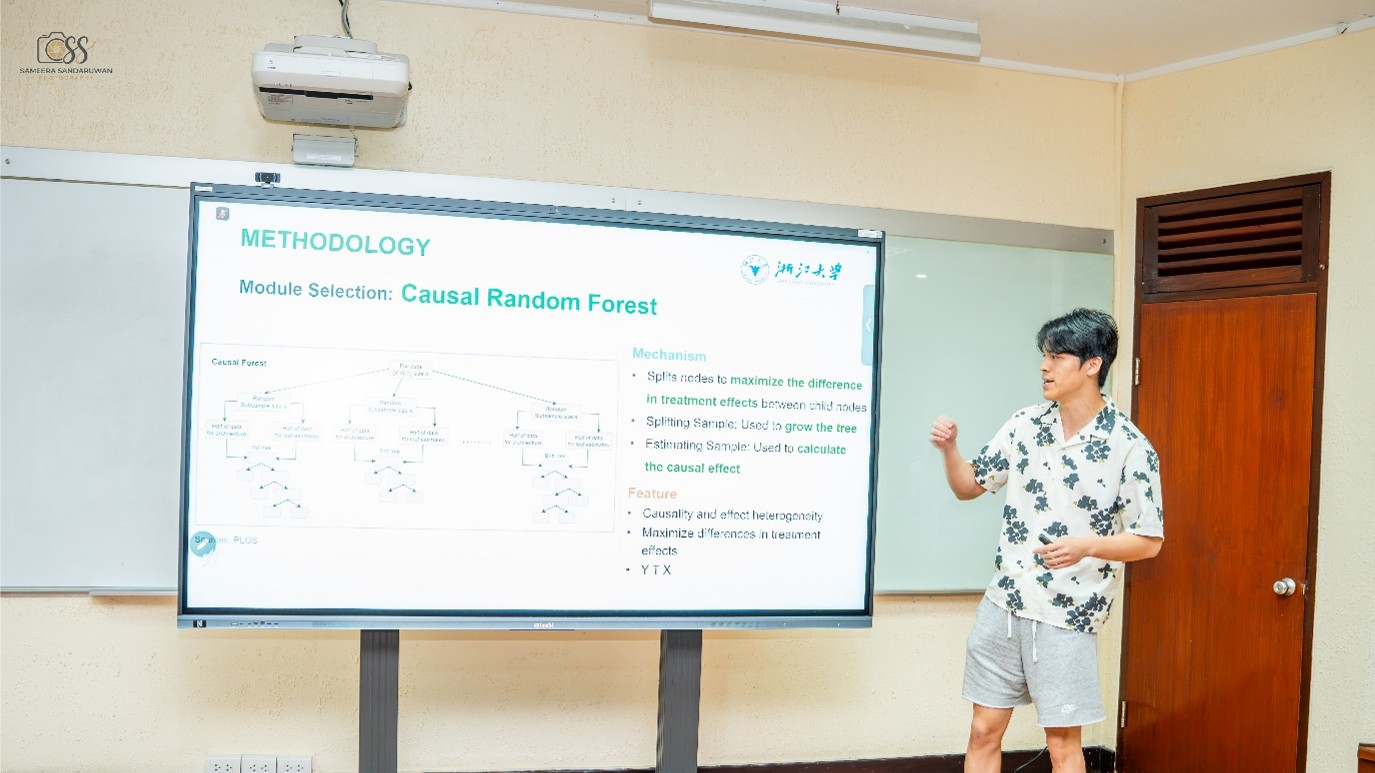
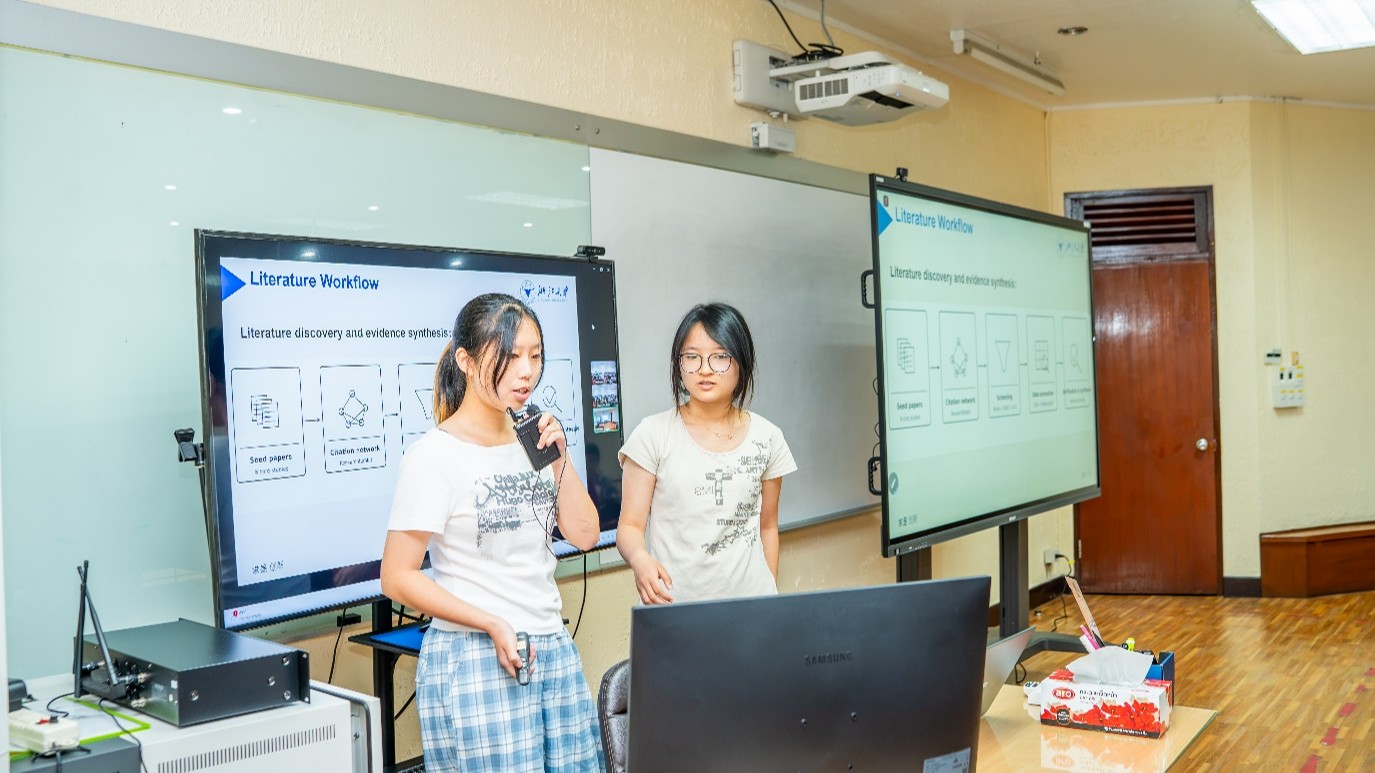
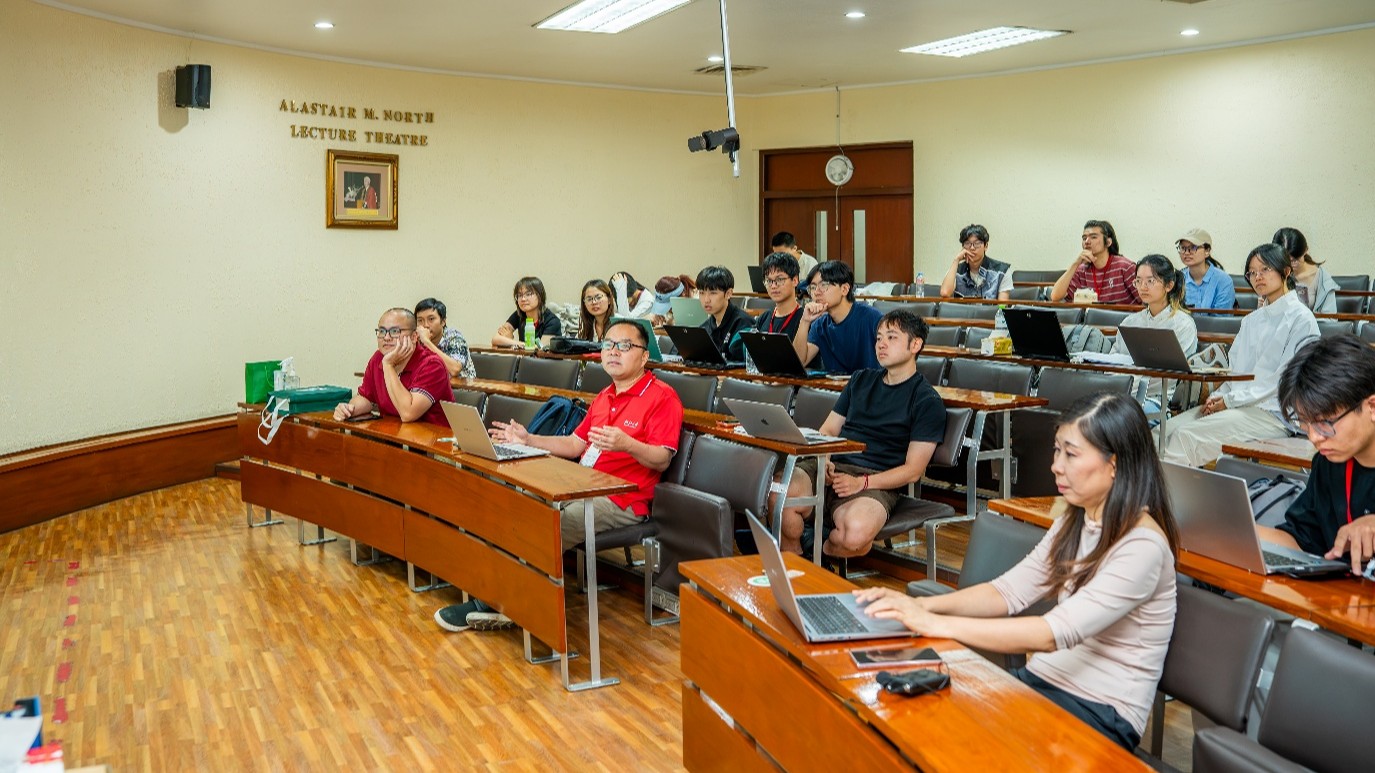
The Academy culminated in a research planning presentation, where the 28 participants, working in five groups, presented their proposed research projects to a panel of experts. Each group received constructive feedback from Dr. Wenchao Xue, Dr. Sein Minn, and Prof. Luo Yu, who challenged the students to strengthen their research questions, improve methodological design, and enhance the scientific rigor of their proposed studies. The interactive session encouraged participants to refine their ideas while experiencing the peer review process that is fundamental to academic research.