
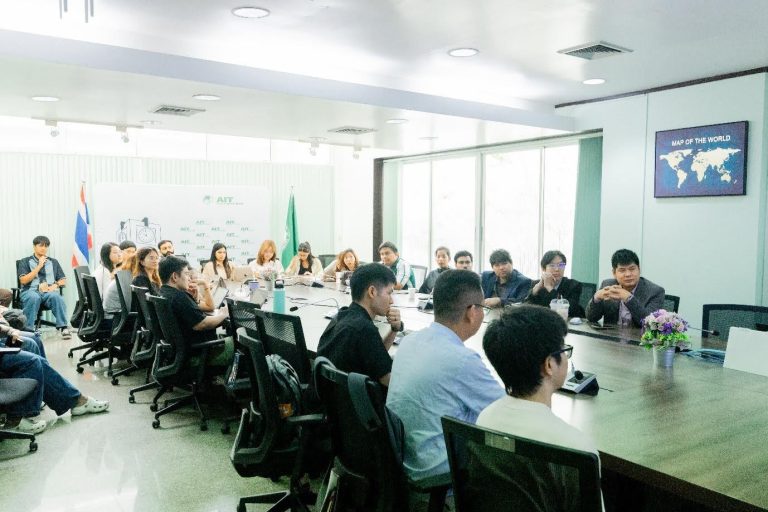
On December 11, 2025, the Asian Institute of Technology (AIT) hosted the official launch of a pioneering research project in collaboration with the University of Chinese Academy of Sciences (UCAS), funded the Alliance of International Science Organizations (ANSO). Titled “Development and Application of In-situ Microplastic Detection in Water Environments Using Electrical Sensing Zone Method Empowered by Machine Learning Techniques,” the initiative was inaugurated with a kick-off event and training workshop organized by AIT’s Belt and Road Research Center (BRRC). The project directly addresses the urgent global challenge of microplastic pollution by developing innovative, real-time monitoring technologies for aquatic environments.
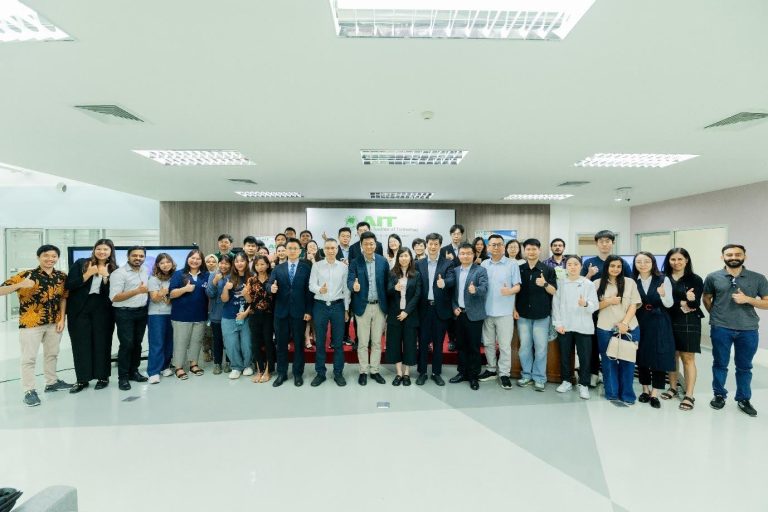
Strategic Collaboration for Scientific Innovation
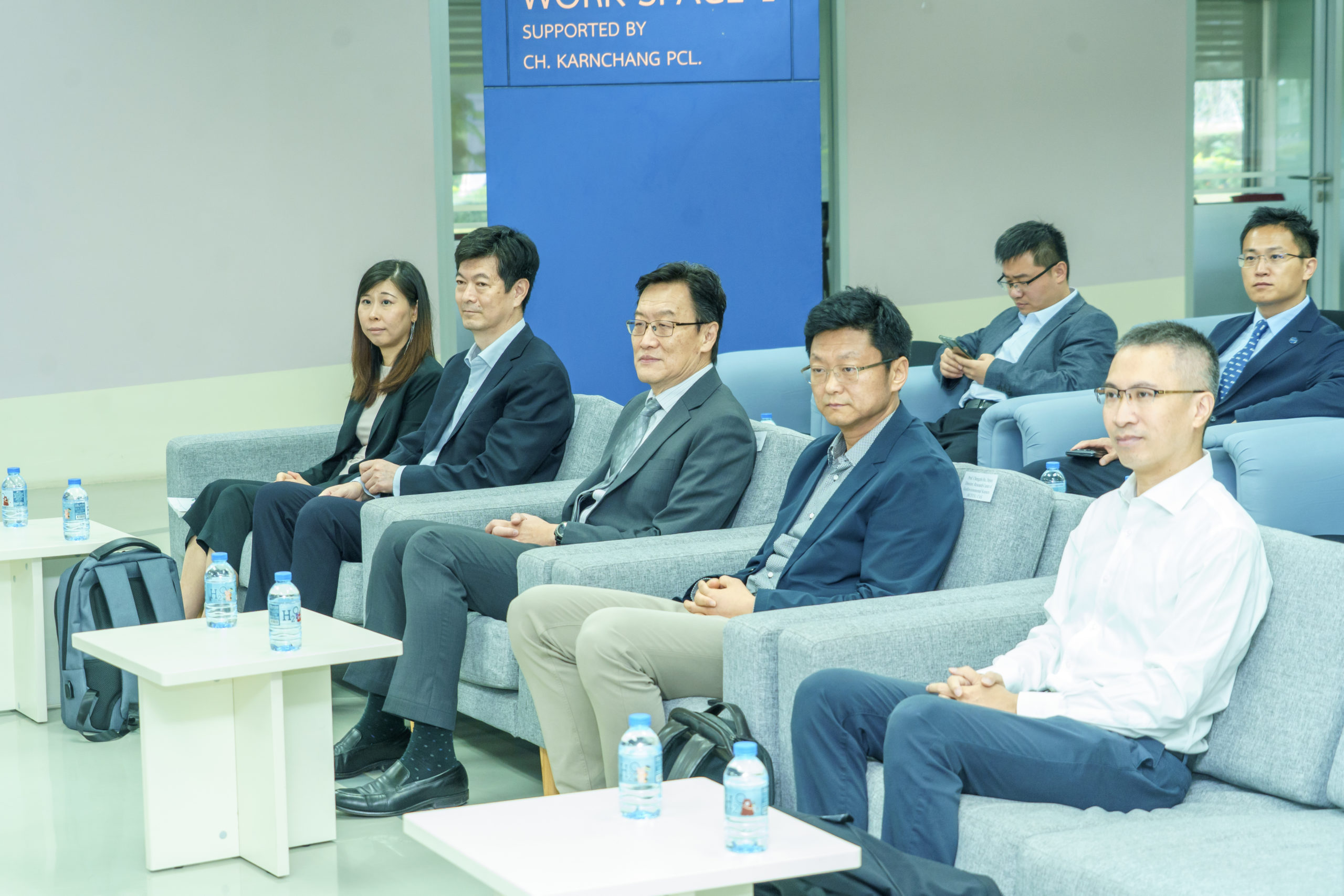
The event underscored the strength of international partnership. AIT President Prof. Pai-Chi Li opened proceedings by reaffirming AIT’s commitment to impactful research alliances. Prof. Xiao Lin, Vice President of UCAS, highlighted the strategic importance of the UCAS-AIT cooperation in advancing joint technological innovation. Prof. Minyan Zhao from the ANSO Secretariat emphasized ANSO’s support for green technology projects that promote regional sustainable development. The project’s Principal Investigator, Dr. Wenchao Xue of AIT’s BRRC and Department of Water Resources and Environmental Engineering, presented the vision to overcome current laboratory-dependent monitoring methods by integrating the Electrical Sensing Zone (ESZ) method with machine learning for faster, in-situ detection.
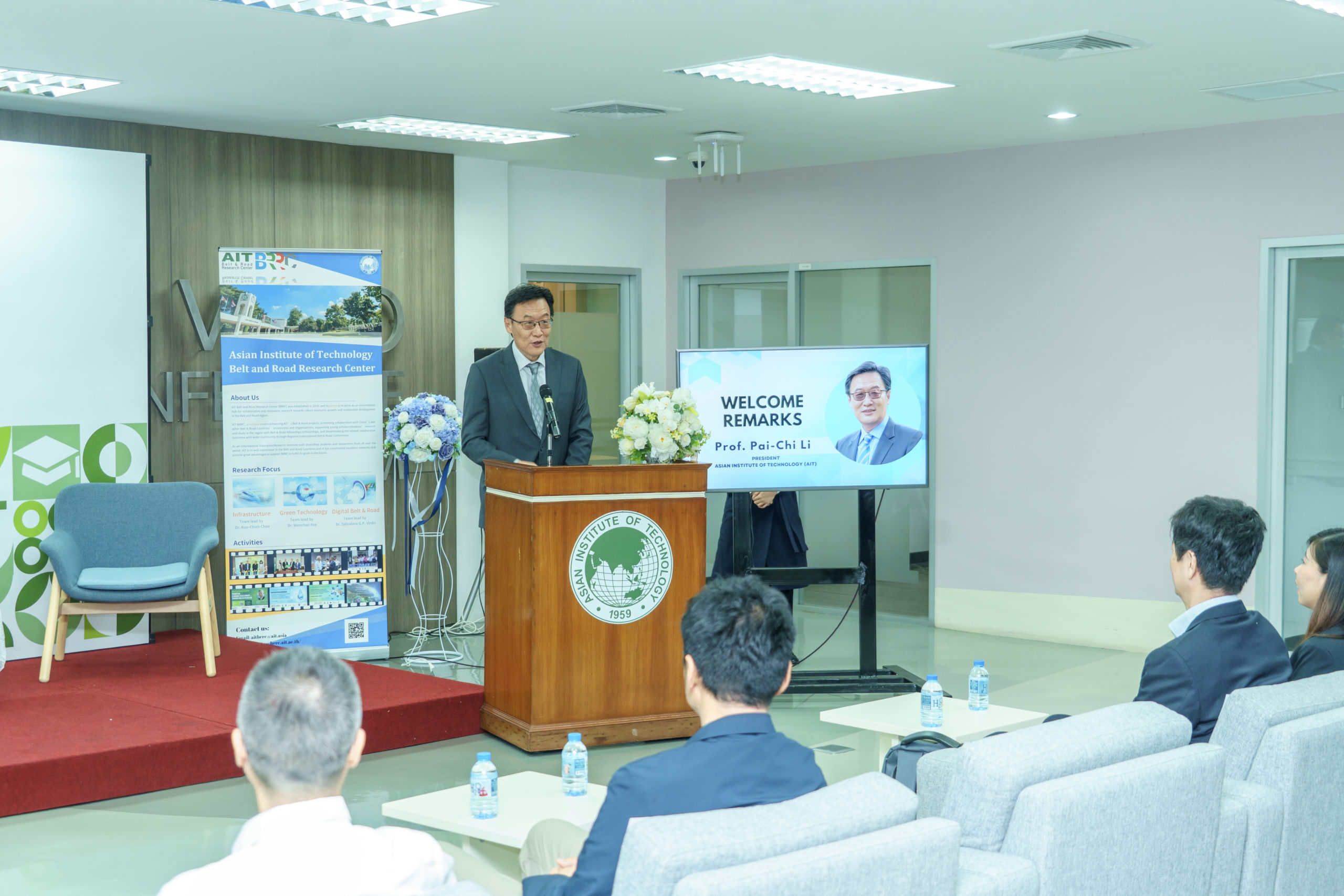
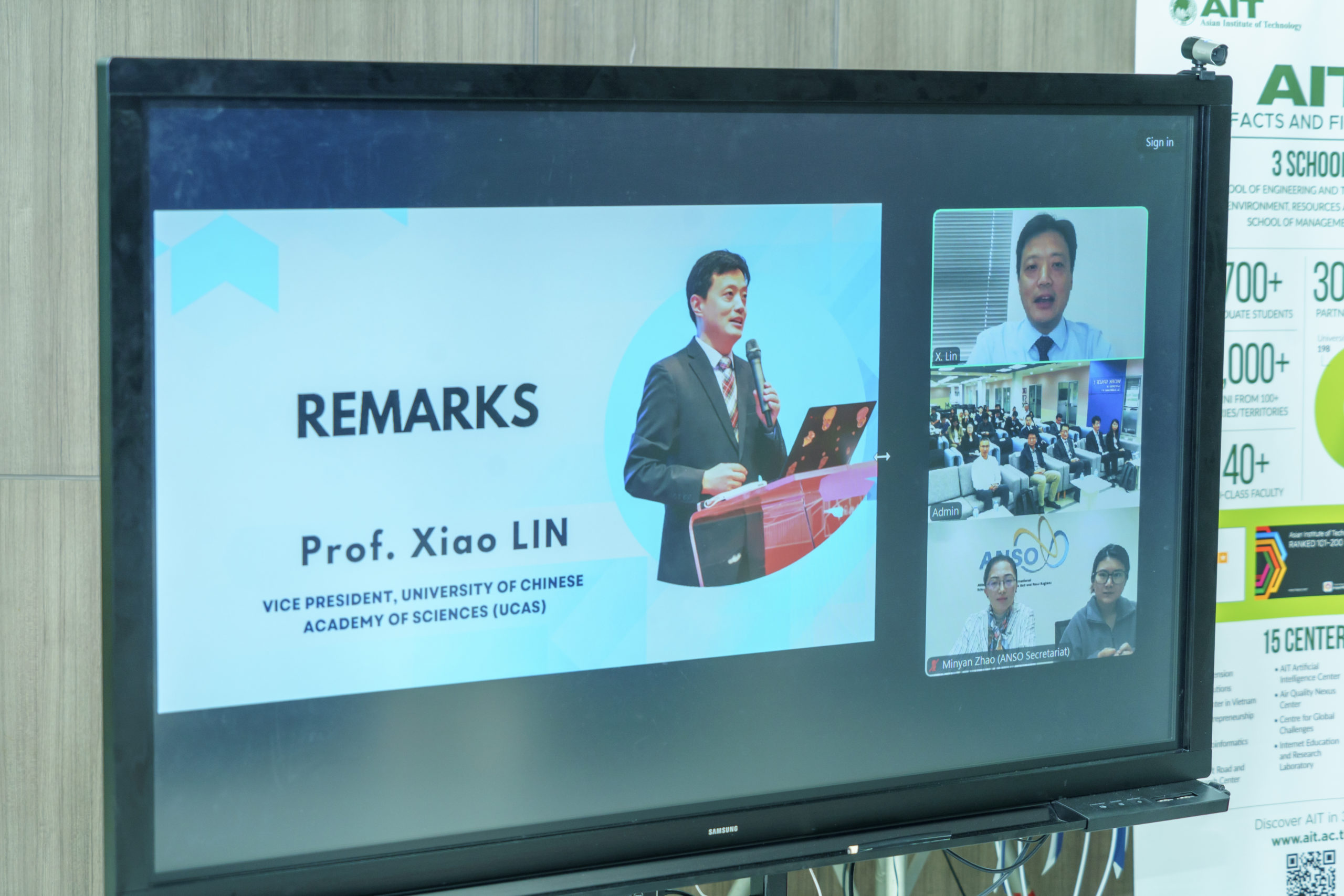
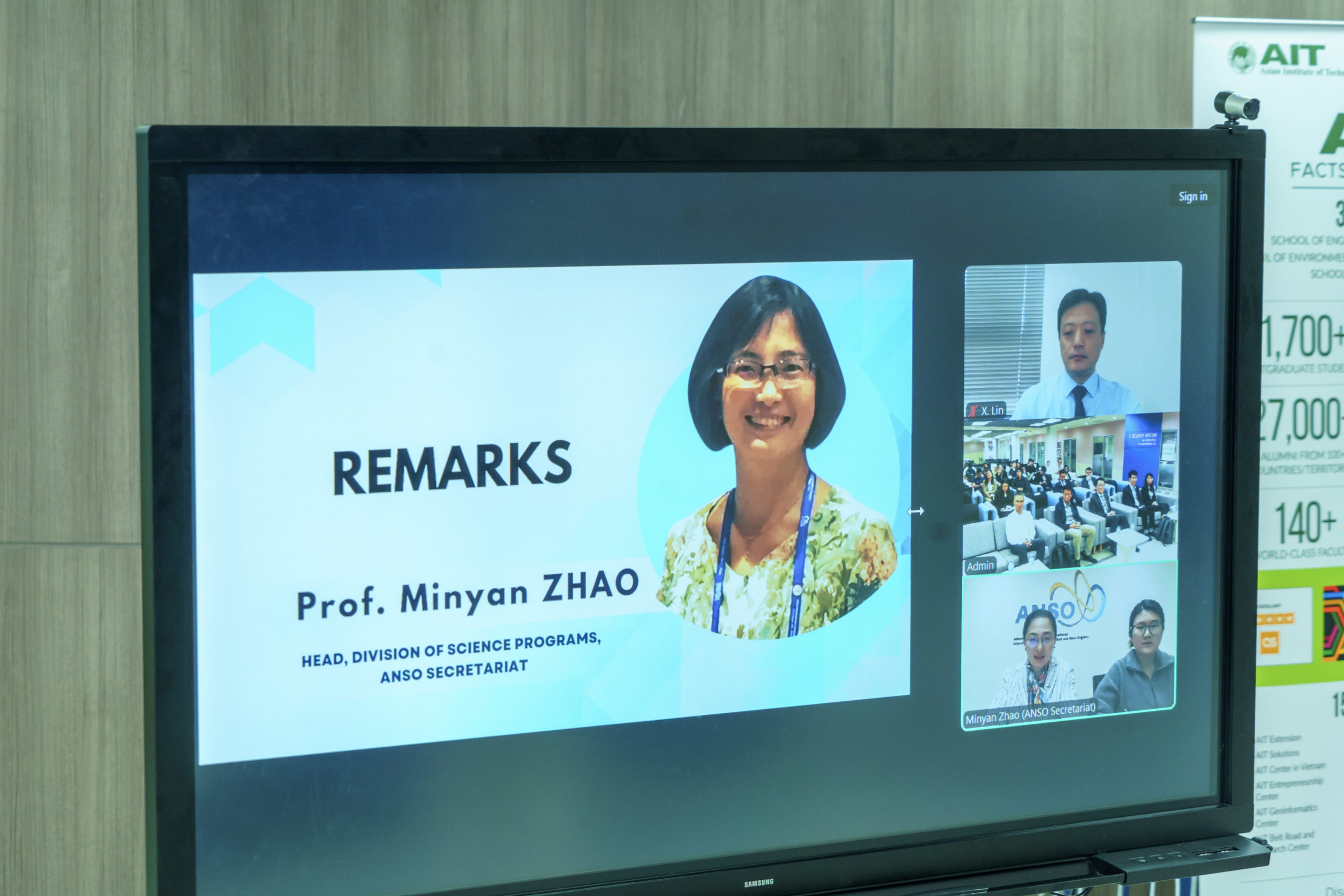
Knowledge Exchange and Capacity Building
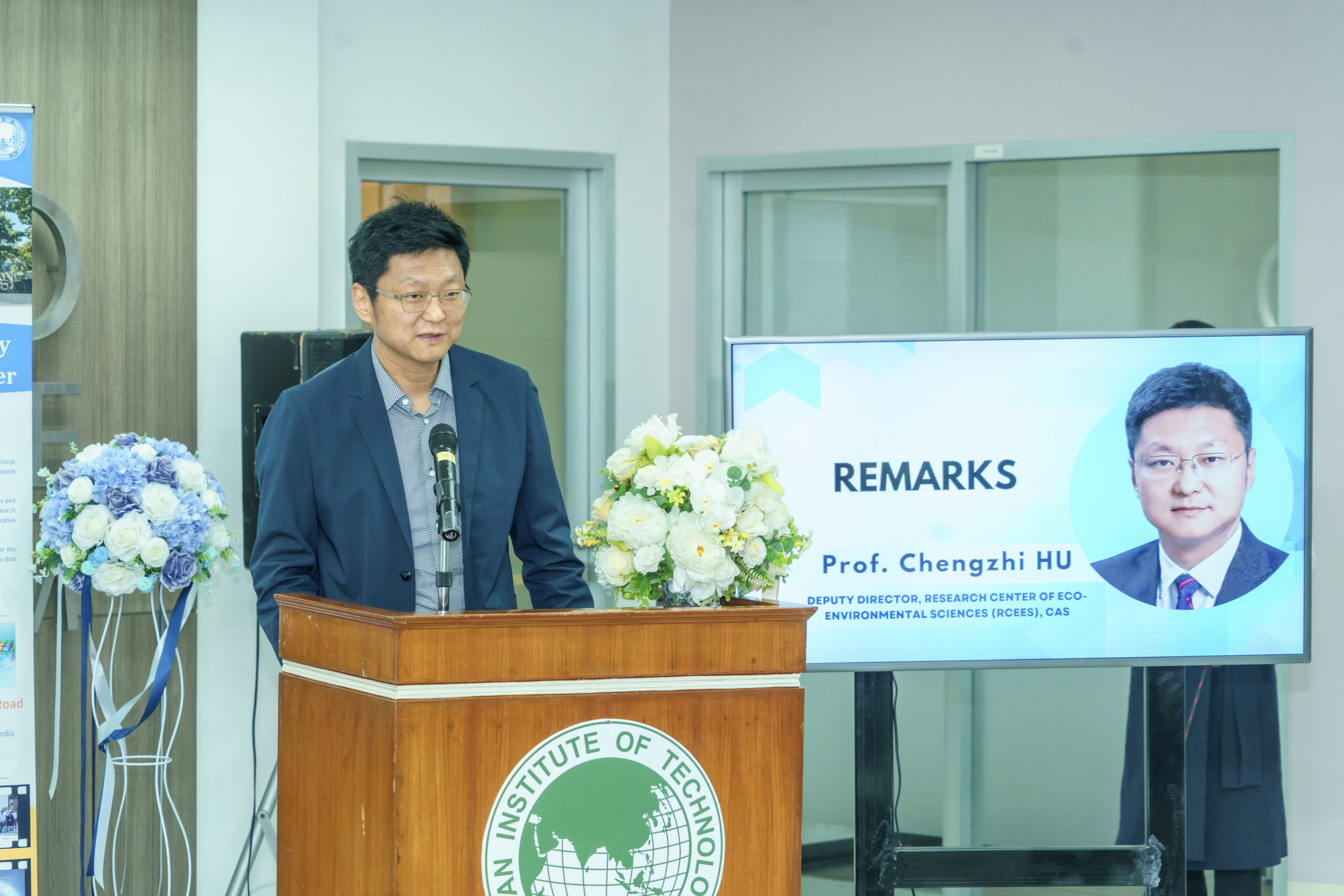
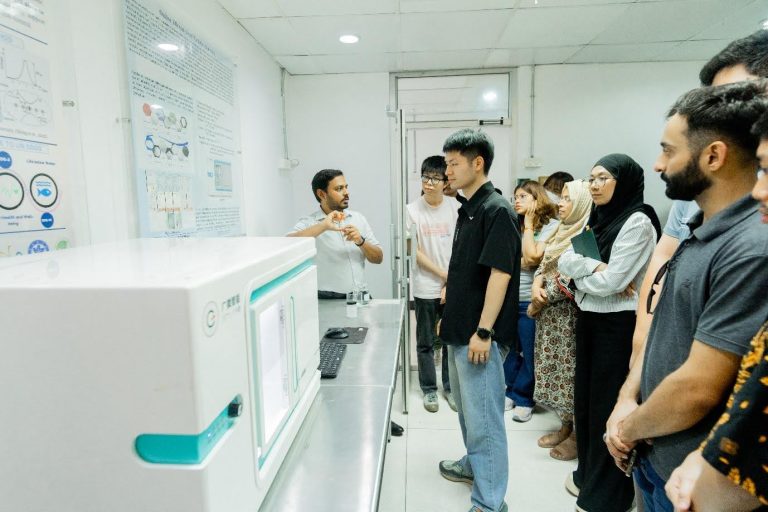
The program featured in-depth technical exchanges to outline the project’s scientific foundation. Prof. Chengzhi Hu of the Research Center for Eco-Environmental Sciences (RCEES) stressed the critical need for advanced sensing technologies to inform environmental policy. Prof. Kang Xiao from UCAS delivered a lecture on spectral fingerprint detection for water pollutants, while Prof. Xiaodong Wang, also from UCAS, detailed the evolution of the Coulter Principle into modern ESZ sensing. Following the official kick-off, a guided tour of the Belt & Road Environmental Innovation Laboratory at AIT was conducted. The afternoon session transitioned into a hands-on training workshop, where over 20 participants engaged with advanced equipment like the Online Micron-sized Particle Analyzer (OMiPA), demonstrated by industry partners Guangwei Intelligent Technology Co., Ltd. and LIHE Technology Co., Ltd.
Paving the Way for Sustainable Water Management
This collaborative project represents a significant stride toward transforming environmental monitoring. By fusing advanced sensing with artificial intelligence, it aims to make reliable, real-time microplastic detection accessible for practical applications. The anticipated outcomes extend beyond technological development to include substantial capacity building and technology transfer across Belt and Road regions. The initiative is poised to provide crucial scientific data to support effective water resource management, pollution control policies, and public health protection, reinforcing the vital role of international scientific cooperation in building a more sustainable and resilient future.
Please also see this event on AIT website through the ink below: