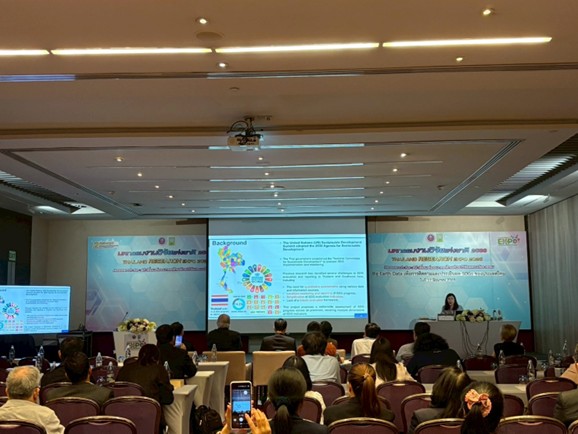
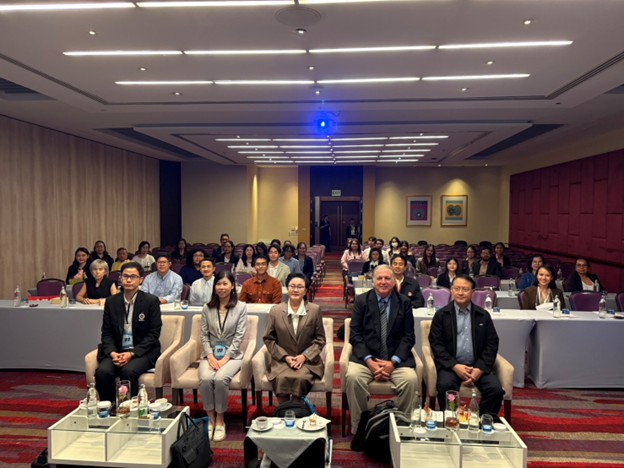
Bangkok, 17 June 2025 – Dr. Wenchao Xue, Director of the Belt and Road Research Center (BRRC) and Academic Chair of Environmental Engineering and Management at the Asian Institute of Technology (AIT), was a featured speaker at the high-level forum “Evaluating Thailand’s Path to Sustainable Development through Big Earth Data”, held at Centara Grand, Bangkok. The event, co-organized by the National Research Council of Thailand (NRCT) and the DBAR International Center of Excellence – Bangkok, commemorated the 50th anniversary of diplomatic ties between Thailand and China.
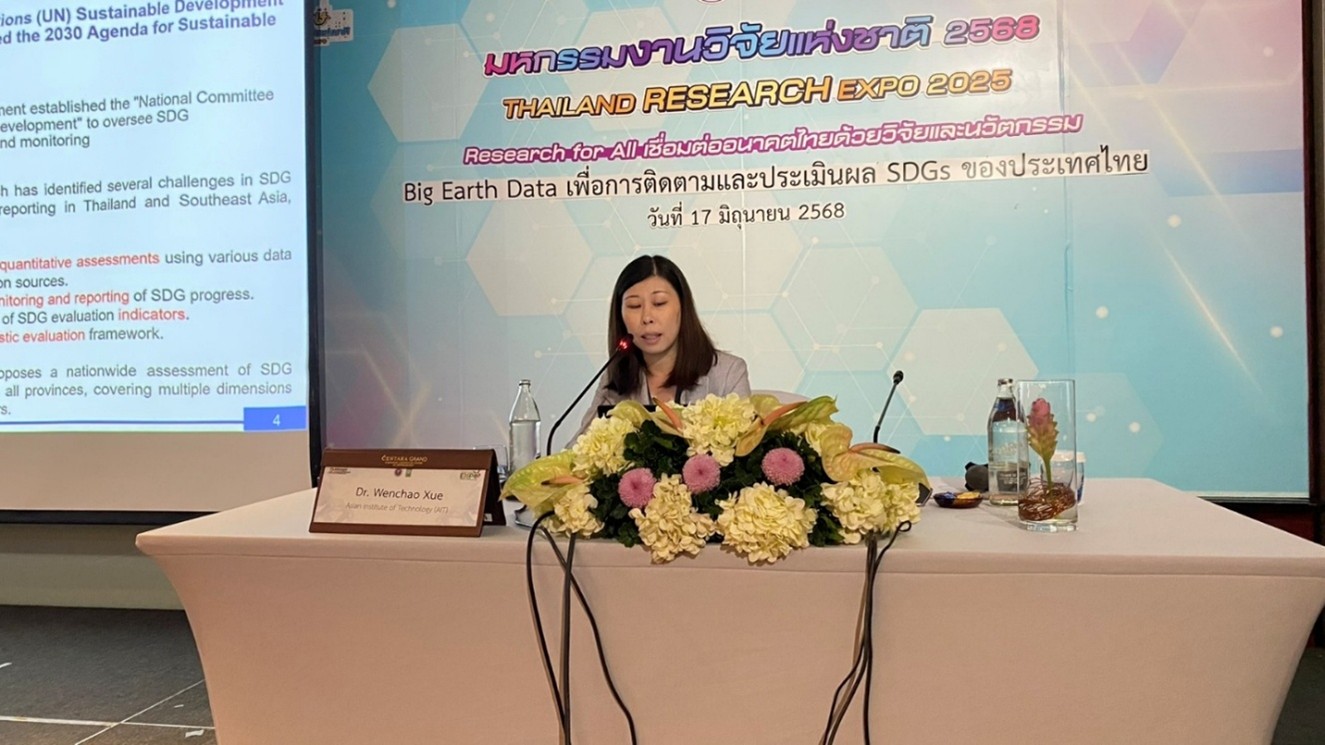
In her keynote address, Dr. Wenchao presented a collaborative research project developed with Mahidol University and SEAMEO SEARCA, which applies Big Earth Data to assess progress on the Sustainable Development Goals (SDGs) in Thailand. Her team focused on 33 indicators across 13 SDGs, combining satellite-based Earth observation with socioeconomic data to provide localized and actionable insights. Using a newly developed provincial performance index, the study highlighted geographic disparities in areas such as forest cover, urban air quality, and access to public transport. Provinces like Trat and Nakhon Sawan showed strong sustainability performance, while others, including Chaiyaphum and Nakhon Ratchasima, were identified as needing targeted interventions.
Dr. Wenchao emphasized the importance of simplifying SDG assessment frameworks for national and local decision-makers, especially in the face of data complexity. She announced plans to expand the methodology to additional SDGs such as clean water (SDG 6), climate action (SDG 13), zero hunger (SDG 2), and life below water (SDG 14) while incorporating high-resolution satellite data and AI tools for predictive analysis.
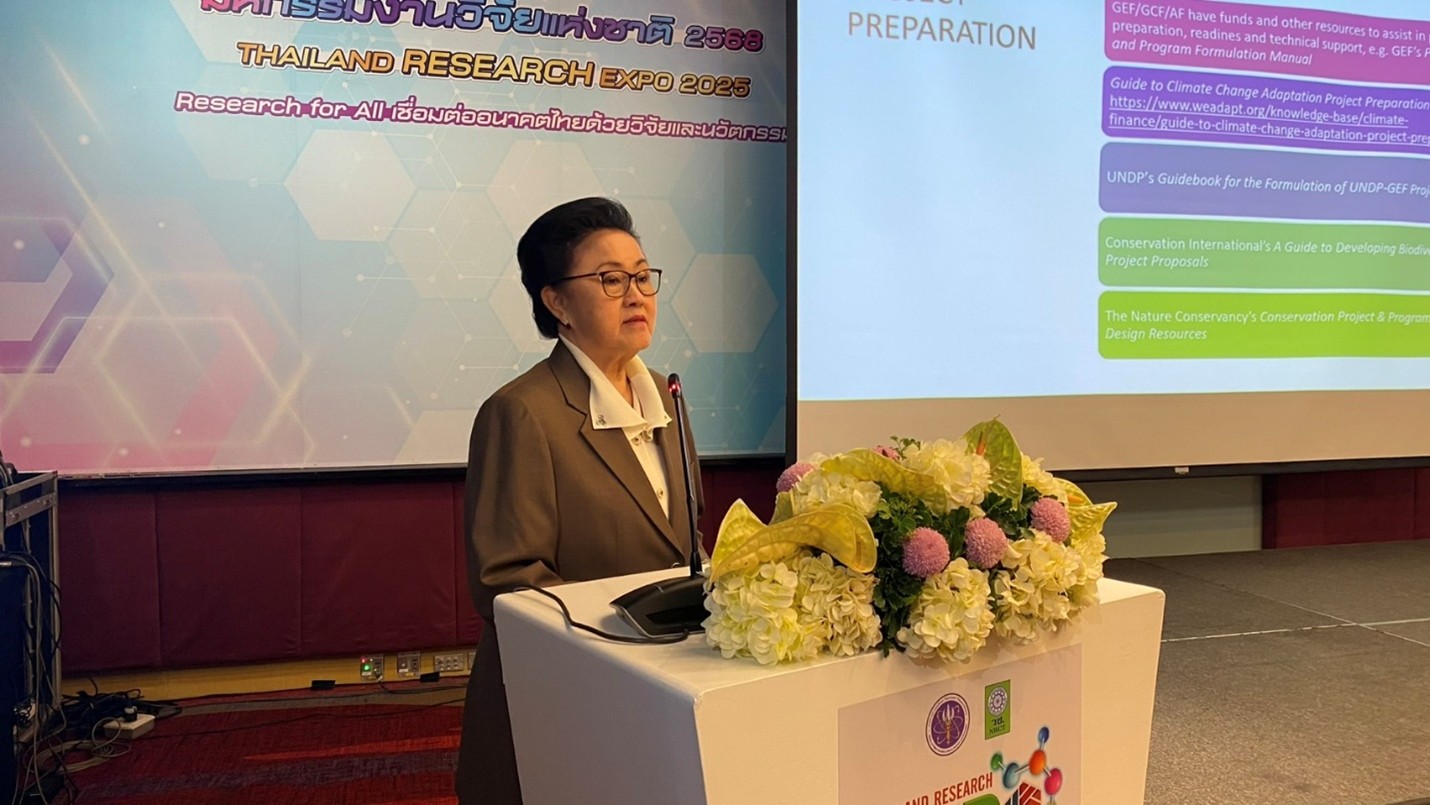
Opening the session, Dr. Monthip Sriratana, Director of DBAR ICoE-Bangkok, stressed the critical role of Big Earth Data in transforming sustainable development policy. She noted that nearly half of global SDG targets are currently off-track or regressing and highlighted the urgency of international data collaboration. Dr. Monthip also introduced SDGSAT-1, the world’s first satellite dedicated to SDG monitoring, and underscored its potential for Southeast Asia.
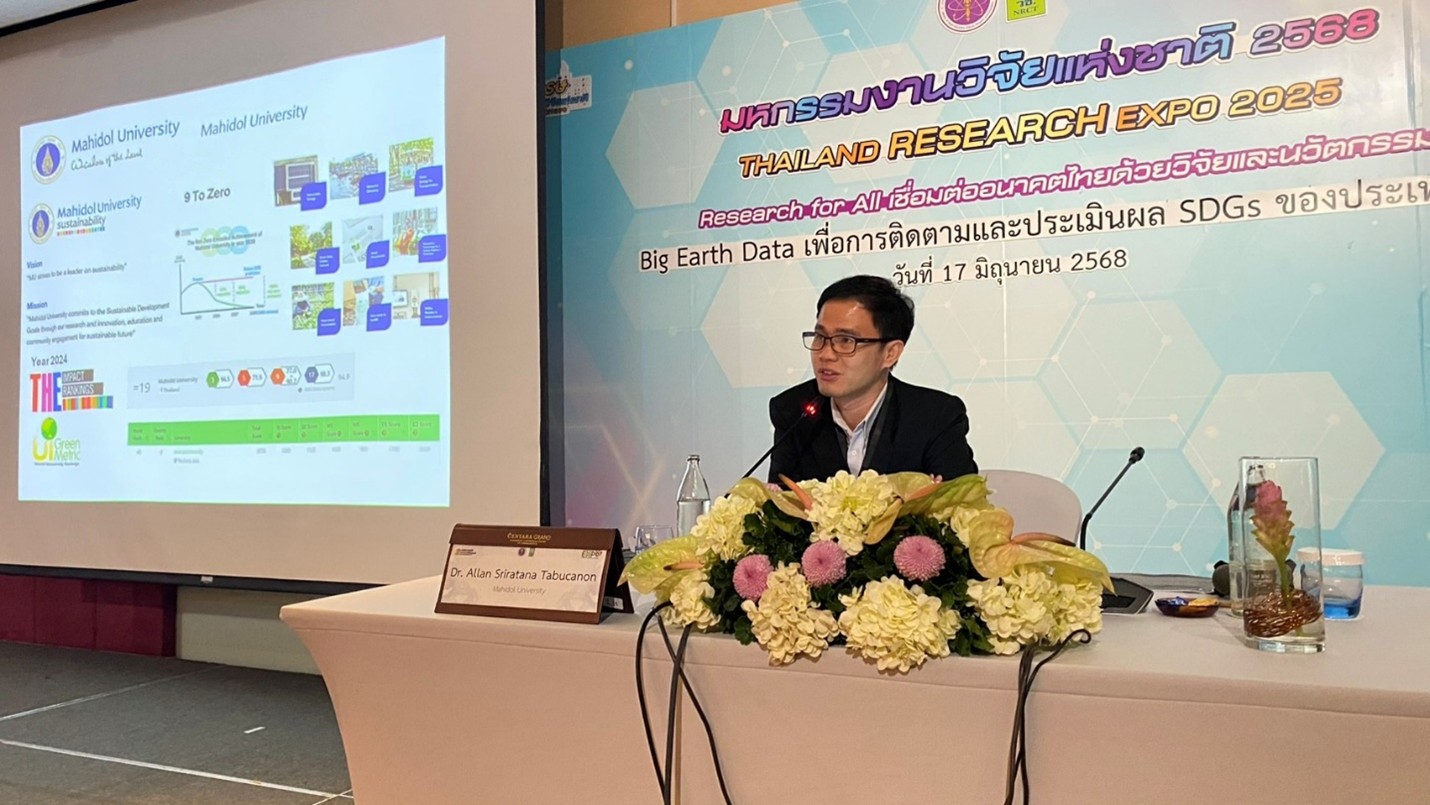
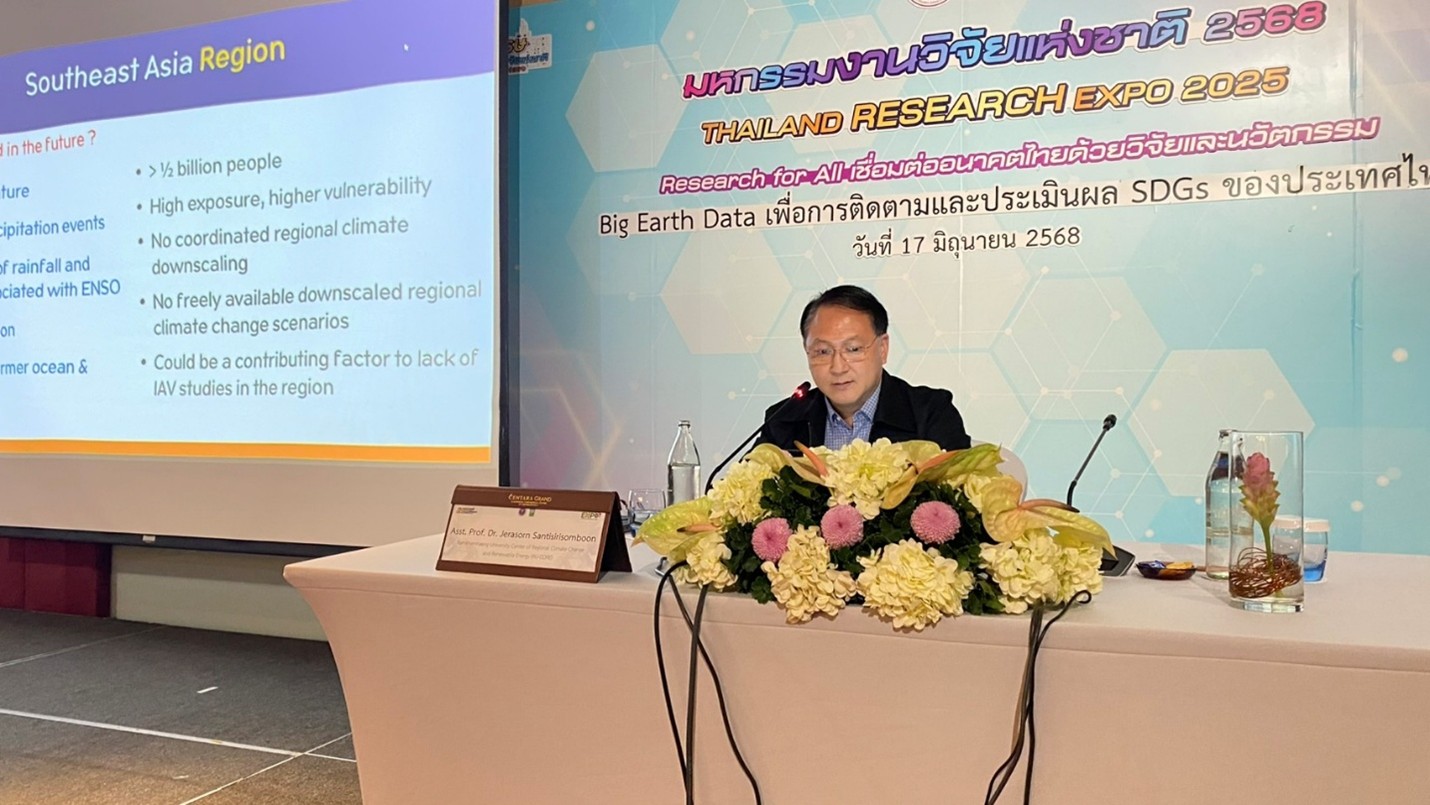
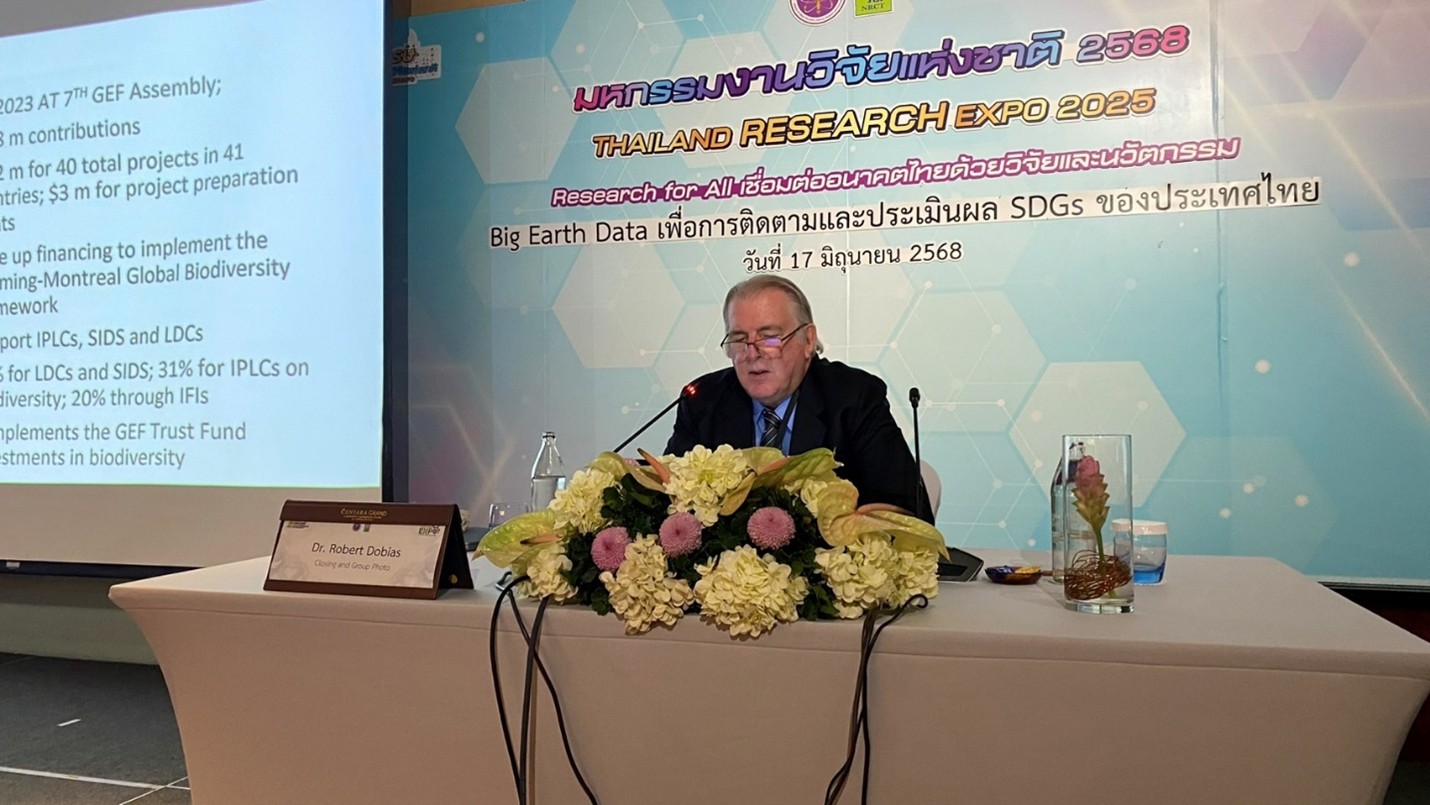
Other speakers included Dr. Allan Tabucanon (Mahidol University), who discussed extending Thailand’s Big Earth Data model to ASEAN partners; Dr. Jerasorn Sirisomboon (Ramkhamhaeng University), who presented climate risk modeling tools; and Dr. Robert Dobias, who outlined international financing mechanisms for SDG-related environmental initiatives.
The meeting concluded with a clear consensus: leveraging Big Earth Data supported by regional cooperation, open data sharing, and capacity building is essential to accelerate measurable, inclusive progress toward the 2030 Agenda. Dr. Wenchao’s contributions position AIT as a regional leader in research and innovation for sustainable development, ensuring science-based solutions are accessible to policymakers across Thailand and beyond.